
Controlling moisture content is one of the most important steps in ensuring product quality across many industries — from food and pharmaceuticals to plastics and textiles. Too much or too little moisture can affect texture, weight, shelf life, and even safety.
A moisture analyzer is a fast and reliable tool that helps manufacturers and laboratories determine how much moisture a product contains. In this guide, we’ll explain what a moisture analyzer is, how it works, where it’s used, and how to choose the right one for your needs.
🔍 What Is a Moisture Analyzer?
A moisture analyzer (also known as a moisture balance) is an instrument used to measure the moisture content of a sample. It combines two key components:
- A precision weighing balance to measure the sample’s weight.
- A heating unit (commonly halogen or infrared) that gently dries the sample.
As the moisture evaporates during heating, the instrument continuously records the change in weight. The difference between the initial and final weight shows the percentage of moisture in the sample.
This process is known as the thermogravimetric method — and it’s one of the most accurate and widely used techniques for moisture determination.
⚙️ How Does a Moisture Analyzer Work?
Here’s a simple step-by-step overview:
- Weigh the sample: Place a small amount of the material on the sample pan.
- Heat the sample: The analyzer automatically applies controlled heat to remove moisture.
- Measure the weight loss: As moisture evaporates, the instrument tracks the decreasing weight in real time.
- Calculate and display the result: Once drying is complete, the device shows the final moisture percentage on the screen.
The entire process usually takes just a few minutes, making it much faster than traditional oven-drying methods.
🏭 Where Are Moisture Analyzers Used?
Moisture analyzers are essential in quality control and production for many industries. Here are a few common applications:
- Food Industry: To ensure consistent quality in flour, coffee, dairy, snacks, and grains. Moisture affects texture, shelf life, and taste.
- Pharmaceuticals: To maintain the correct moisture level in powders, tablets, and capsules — ensuring stability and efficacy.
- Plastics and Polymers: To check the dryness of plastic pellets before molding or extrusion.
- Textiles and Paper: To measure water content in fibers, fabrics, and pulp.
- Chemicals and Cosmetics: To verify product formulation and consistency.
✅ Benefits of Using a Moisture Analyzer
- Fast results: Most measurements can be completed in under 10 minutes.
- Accurate and consistent: Reliable readings for both research and production.
- Easy to operate: Simple touchscreen or button interfaces.
- Compact and efficient: Small footprint, suitable for any lab or production area.
- Cost-effective: Reduces testing time and sample waste compared to traditional methods.
🧩 How to Choose the Right Moisture Analyzer
When selecting a moisture analyzer, consider these key factors:
Sample Type:
Different materials require different drying temperatures. For example, delicate food samples may need low heat, while resins or powders may require higher settings.Heating Method:
Halogen heating offers fast, uniform heating — ideal for most applications.
Infrared or metal heating systems are suited for special materials.
Capacity and Readability:
Choose the weighing range and precision that match your samples. Most models range from 60g to 200g with readability from 0.001g to 0.01g.Temperature Range and Control:
Adjustable heating (up to 200°C or higher) helps you fine-tune settings for accurate results.Ease of Use and Data Management:
Modern analyzers come with touchscreen displays, built-in memory, and USB or RS232 ports for data transfer.Calibration Options:
Regular calibration ensures long-term accuracy. Some units have built-in calibration features for both temperature and weight.
If you’re unsure which model best fits your material or testing needs, it’s best to consult a reliable supplier or refer to your product’s testing standard.
⚡ Tips for Accurate Moisture Measurements
To get consistent and accurate results, follow these simple practices:
- Use a uniform and representative sample.
- Avoid overloading the pan — smaller samples often give better results.
- Make sure the sample is evenly spread on the pan.
- Calibrate your instrument regularly.
- Clean the heating chamber and pan after every use.
- Allow the device to cool before running the next test.
🚫 Common Mistakes to Avoid
- Skipping calibration before testing.
- Using samples that are too large or inconsistent.
- Setting the wrong drying temperature.
- Ignoring maintenance or leaving residue on the pan.
Avoiding these mistakes helps extend the life of your instrument and ensures every test is reliable.
🧭 Conclusion
Moisture analysis plays a vital role in maintaining product quality and consistency across industries. Whether you’re testing food, pharmaceuticals, or industrial materials, a moisture analyzer offers fast, precise, and repeatable results that support better decision-making in production and quality control.
If you’re looking to equip your lab or production line with a reliable moisture analyzer, explore our product range here — designed for accuracy, efficiency, and long-term performance.
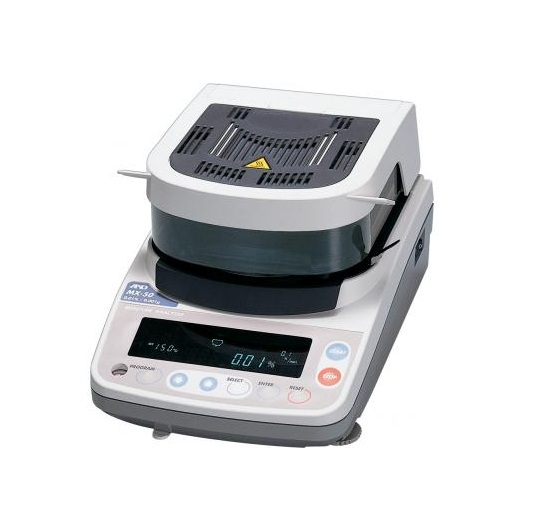
Moisture Analyzer
Digital halogen moisture analyzer designed for rapid moisture testing of powders, grains, chemicals, food, pharmaceuticals, and industrial materials. Features fast heating, precise weighing, and real-time moisture analysis.