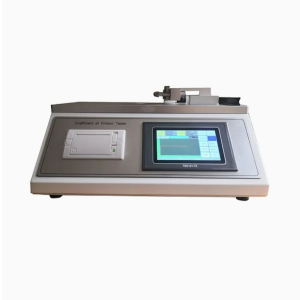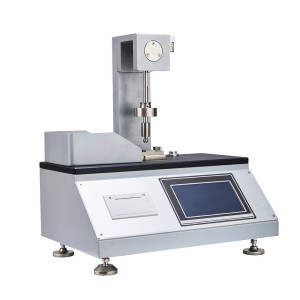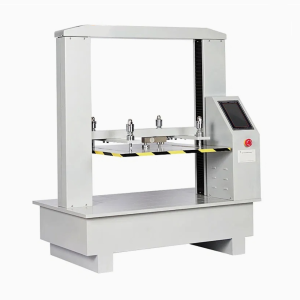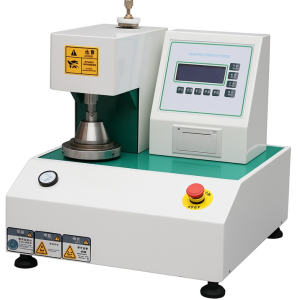
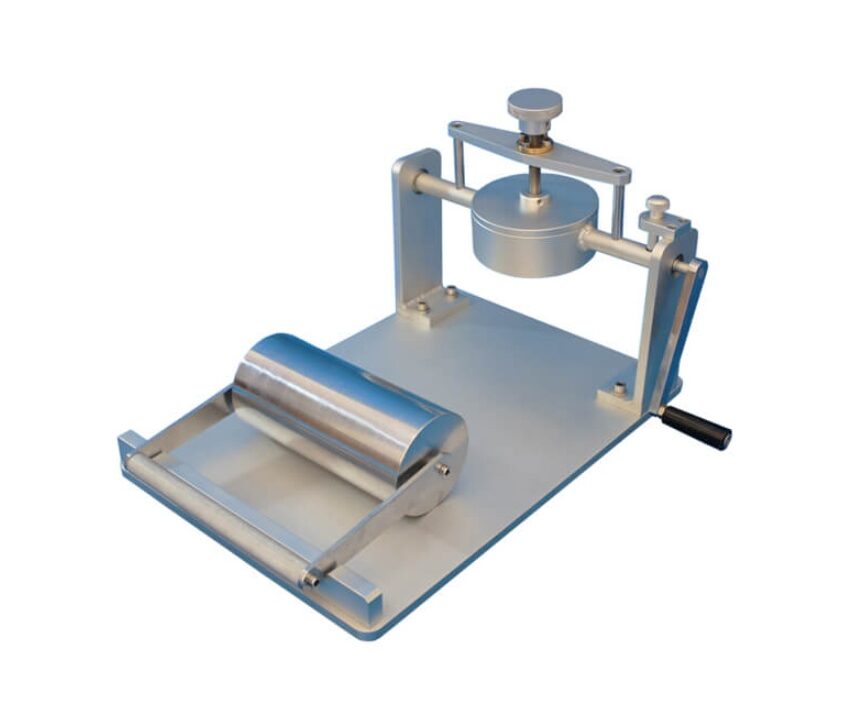
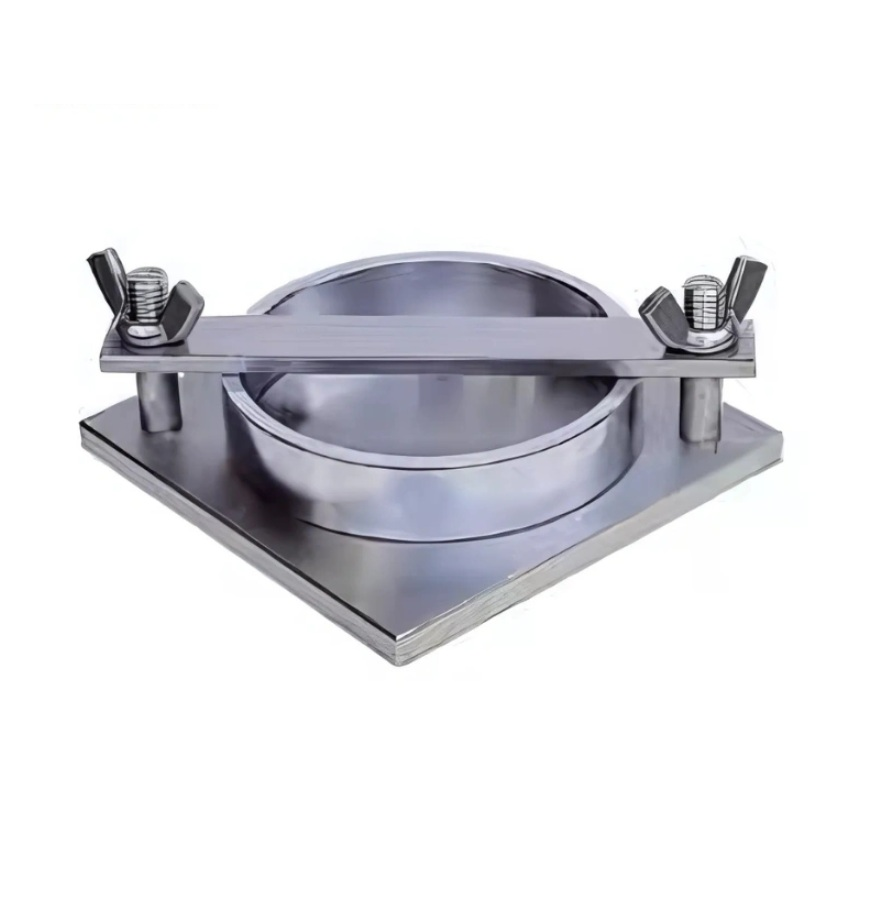
The COBB Tester is designed to determine the water absorption capacity of paper, board, and corrugated materials. This test plays a crucial role in evaluating printability, sizing, and surface resistance. The tester features a precision clamping system, stainless-steel Cobb ring, and standardized blotting pressure for dependable and repeatable measurements.
⭐ Key Features
- High-quality stainless steel test cylinder
- Uniform clamping mechanism
- Standardized blotting roller for water removal
- Corrosion-resistant base and components
- Easy cleaning and long service life
- Compliant with multiple international standards
🧪 Applications
Used in quality testing for:
- Paper mills
- Packaging industry
- Printing companies
- Corrugated board manufacturers
- QC laboratories
📦 Materials Tested
- Coated and uncoated paper
- Kraft paper
- White top liner
- Carton board
- Corrugated board
- Absorbent and non-absorbent papers
📏 Test Standards
- ISO 535
- TAPPI T441
- GB/T 1540
- ASTM D3285
⚙️ Technical Specifications
| Parameter | Specification |
| Cylinder Internal Diameter | 112 ± 0.2 mm |
| Test Area | 100 cm² |
| Clamping Method | Manual |
| Blotting Roller Weight | 10 kg (standard) |
| Cylinder Depth | 25 mm |
| Body Material | Stainless steel + coated base |
| Included Accessories | Blotting papers, roller, cylinder |
🎁 What’s Included
- Cobb test cylinder
- Rubber sealing pad
- Blotting roller (10 kg)
- Pack of blotting paper
- User manual
🔧 Options & Accessories
- Replacement blotting paper pack
- Additional rubber sealing pads
📄 Sample Requirements
- Standard sample size: 200 × 200 mm (or as required)
- Conditioned prior to testing (as per ISO/TAPPI standards)
- Clean, flat, and free from surface defects
❓ FAQs
1. What is a typical Cobb test duration?
Most tests use Cobb60 (60 seconds), but Cobb30, Cobb120, or custom times are also common.
2. Can the tester be used for highly absorbent paper?
Yes, but water volume and timing must be adjusted accordingly.
3. How often should the sealing pad be replaced?
Whenever you notice leakage or uneven contact, usually every few months depending on usage.
4. Is a digital timer required?
Yes helps maintain consistent test timing.