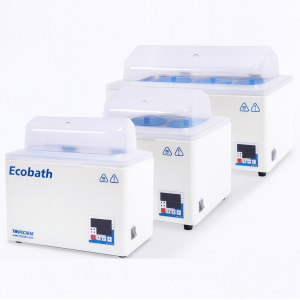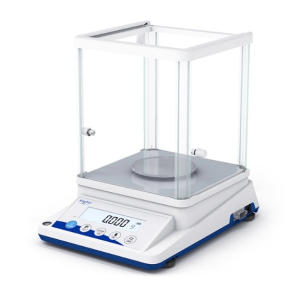
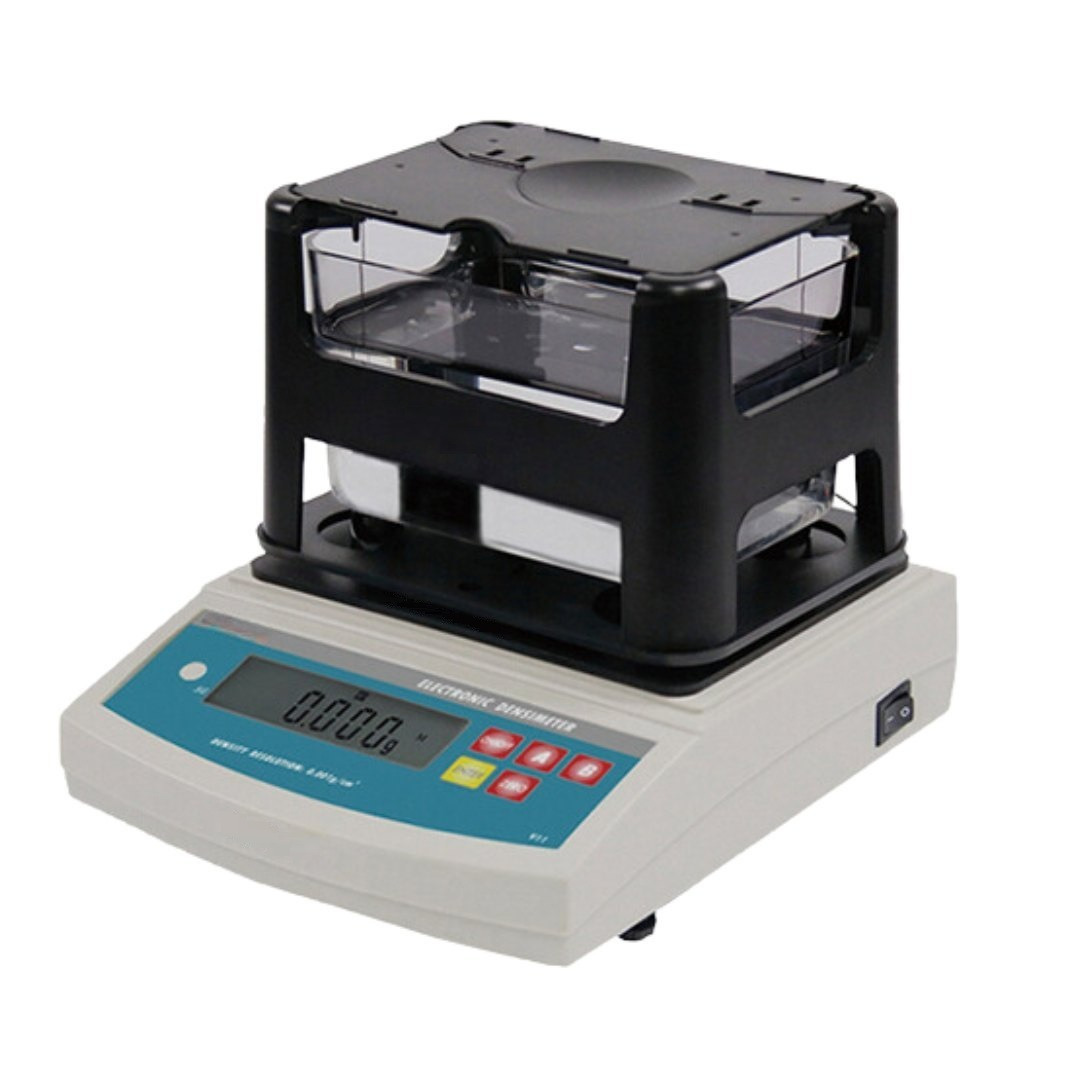
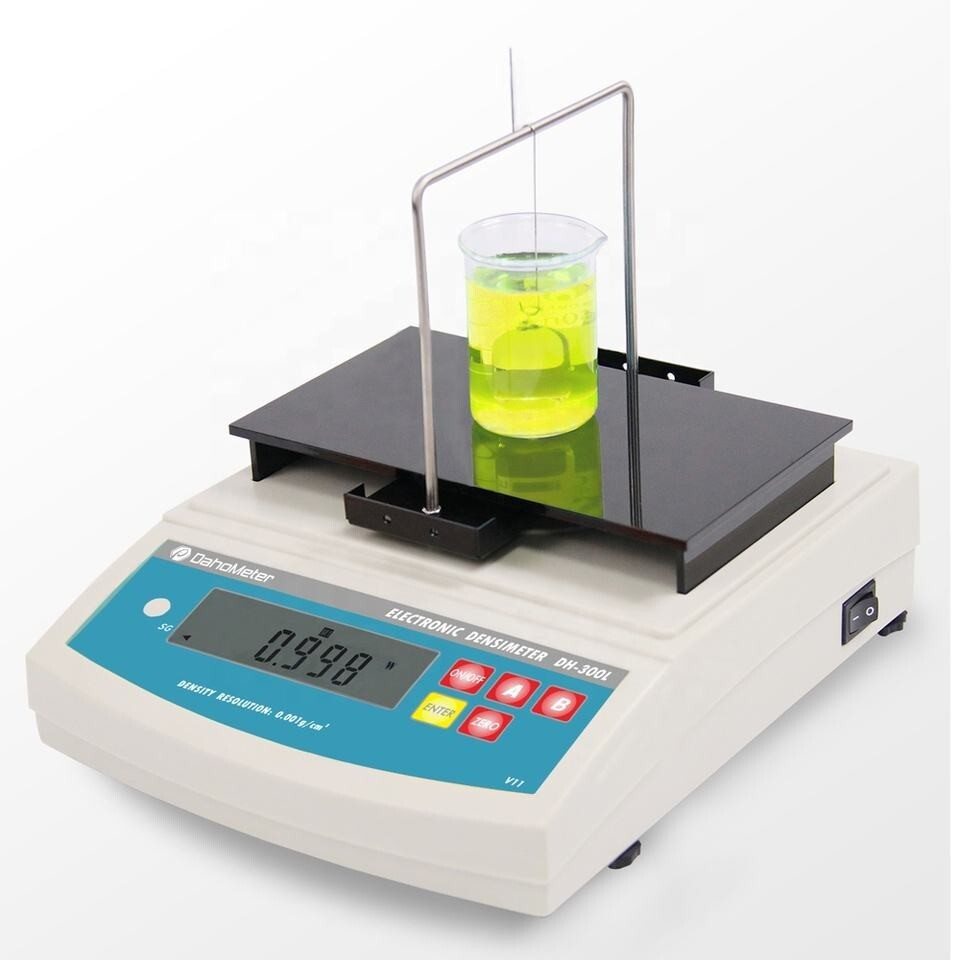
A Densimeter (also known as a Density Meter) is an instrument used to measure the density of liquids or solids with high accuracy. Commonly used in laboratories, production quality control, material verification, and research applications, the densimeter provides reliable density readings for consistency monitoring, formulation control, and material classification.
✨ Key Features
- High-accuracy measurement of liquid or solid density
- Fast measurement response and repeatable results
- Digital models available with automatic temperature compensation
- Durable construction suitable for laboratory and industrial use
- User-friendly interface for daily QC workflow
- Wide measurement range covering various materials
- Optional PC connectivity for data logging and documentation
🏭 Applications
- Chemical and petrochemical industries
- Food and beverage quality testing
- Pharmaceutical production and formulation analysis
- Materials research and development laboratories
- Plastics, polymers, rubbers, and composite manufacturing
- Mining and mineral processing quality monitoring
- Academic and industrial research institutions
🔧 Materials Tested / Sample Compatibility
- Liquids (water-based, oil-based, chemicals, solvents)
- Slurries and emulsions
- Resins, adhesives, and polymer solutions
- Food and beverage liquids (milk, syrup, oil, juice, etc.)
- Powdered materials (with sample cup accessory)
- Solid materials (with balance method)
📏 Test Standards / Compliance
- ISO 2781 Rubber, vulcanized or thermoplastic — Determination of density
- ISO 1183 Plastics — Methods for determining the density of non-cellular plastics
- ASTM D792 Standard Test Methods for Density and Specific Gravity (Relative Density) of Plastics by Displacement
- ASTM D297 Standard Test Methods for Rubber Products—Chemical Analysis
- ASTM D1250 – Petroleum Products Density
- ASTM D4052 – Density & Relative Density of Liquids
- ISO 12185 – Crude Petroleum and Liquid Petroleum Products Density
(Standard compliance depends on model configuration.)
⚙️ Technical Specifications
| Parameter | Specification |
|---|---|
| Weighing Capacity | 120g |
| Weighing Resolution | 0.001 g / 0.0001 g |
| Density Resolution | 0.001 g/cm³ or 0.0001 g/cm³ |
| Accuracy | ±0.0005 g/cm³ |
| Display | Digital LCD / Touchscreen (depending on model) |
| Sample Volume | Approx. 5 – 15 mL (liquid) |
| Data Output | USB / RS232 (depending on model) |
| Power Supply | AC / Rechargeable battery (depending on model) |
📦 What’s Included
- Densimeter main unit (selected model)
- Windshield
- Tweezers & pellets container
- Thermometer
- Calibration weights or reference solution (if applicable)
- Power Adapter & User manual
🔍 Sample Requirements
- Liquid samples must be free from bubbles or suspended solids (unless testing slurry).
- Solid samples should be clean and dry.
- Ensure temperature stabilization for best accuracy.
❓ Frequently Asked Questions (FAQs)
Q1: What is the difference between manual and digital densimeters?
Manual units require visual scale interpretation; digital units provide automatic calculation and temperature compensation.
Q2: How important is temperature in density measurement?
Very important — density changes with temperature. Digital models compensate automatically.
Q3: Can I measure highly viscous liquids?
Yes, with appropriate sample handling or temperature conditioning.
Q4: Does this instrument require calibration?
Yes — recommended calibration frequency is based on usage (typically every 6–12 months).